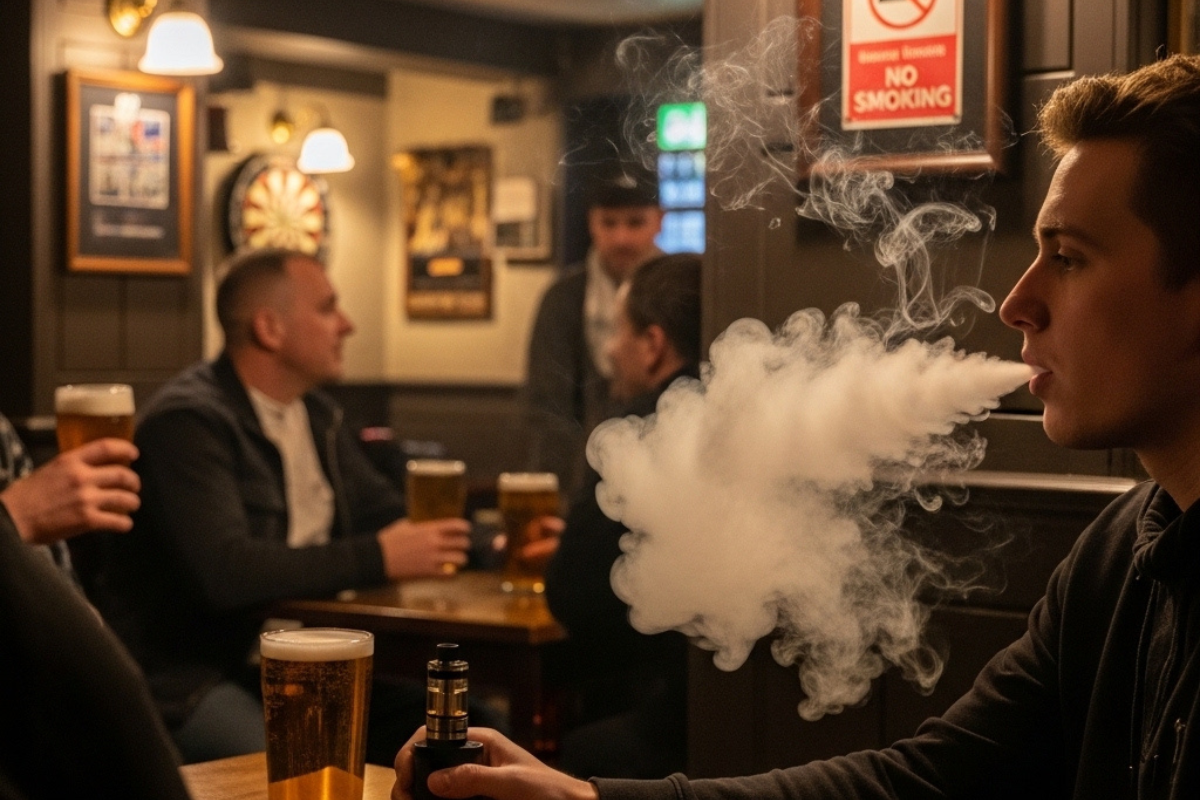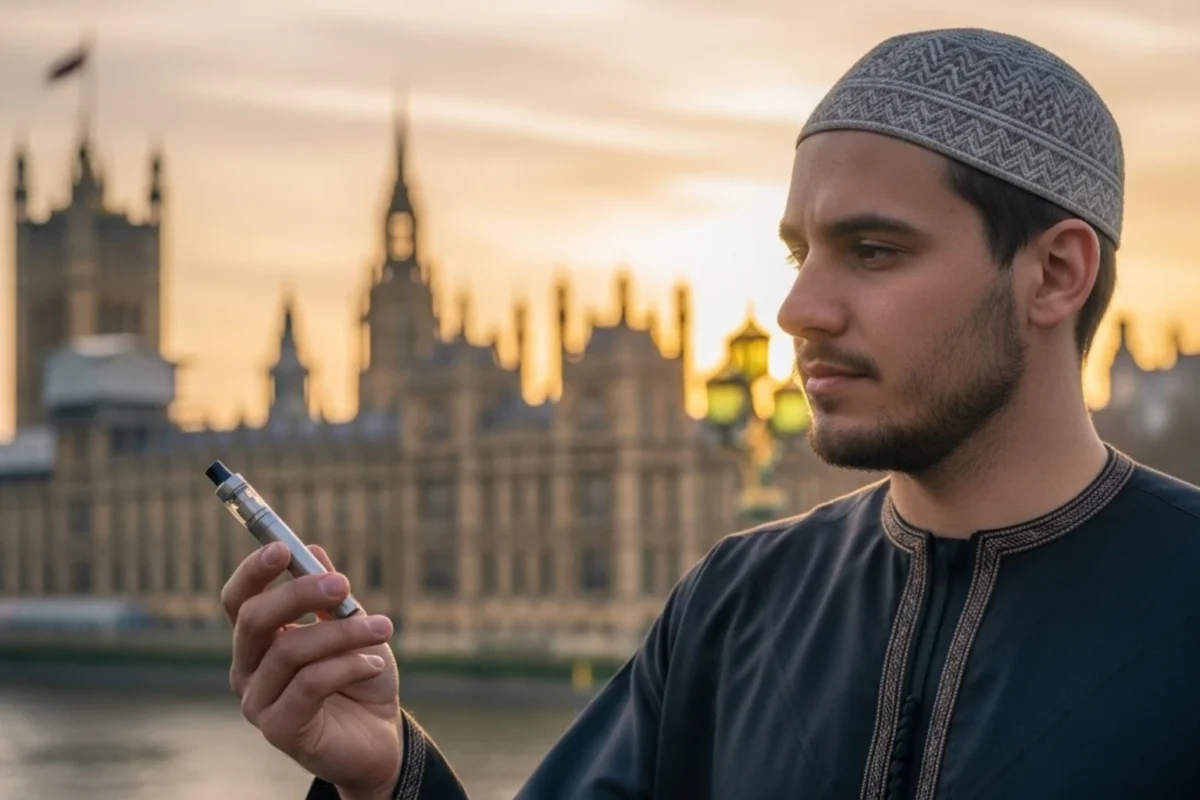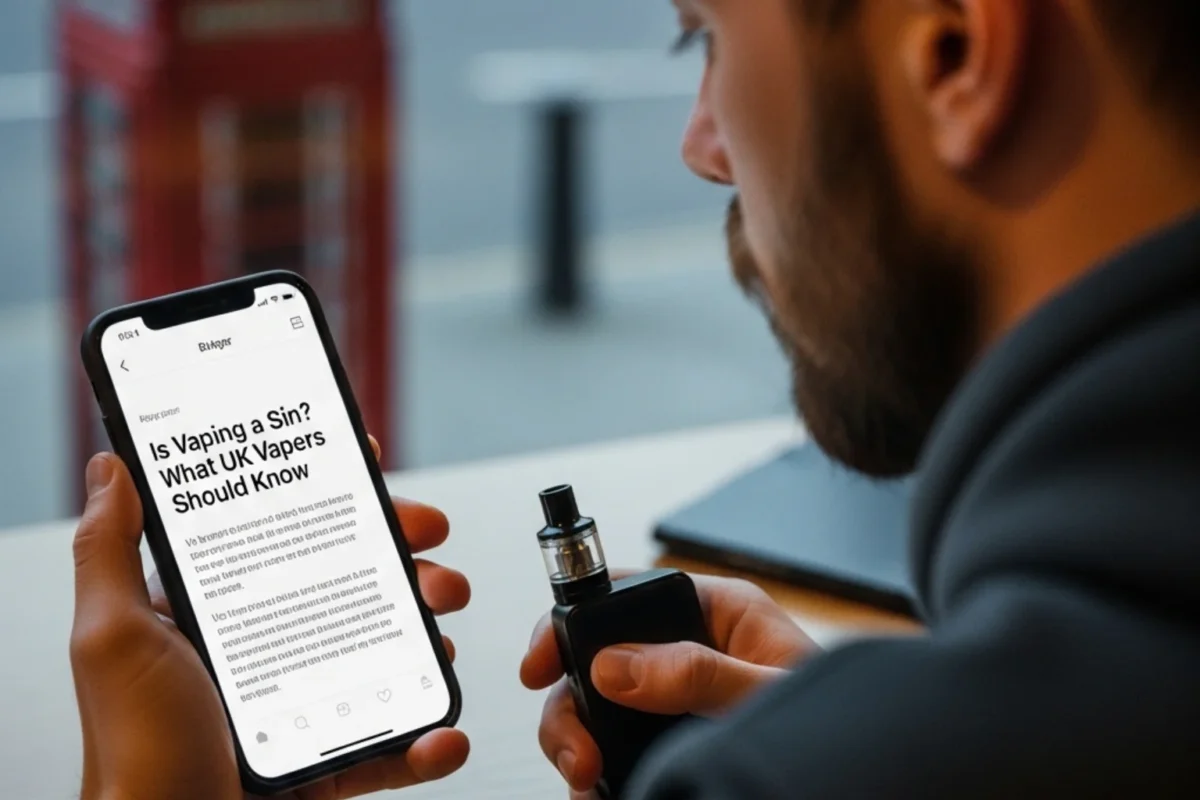
The question “Is vaping haram?” comes up often, especially among Muslims who care deeply about both their health and their faith.
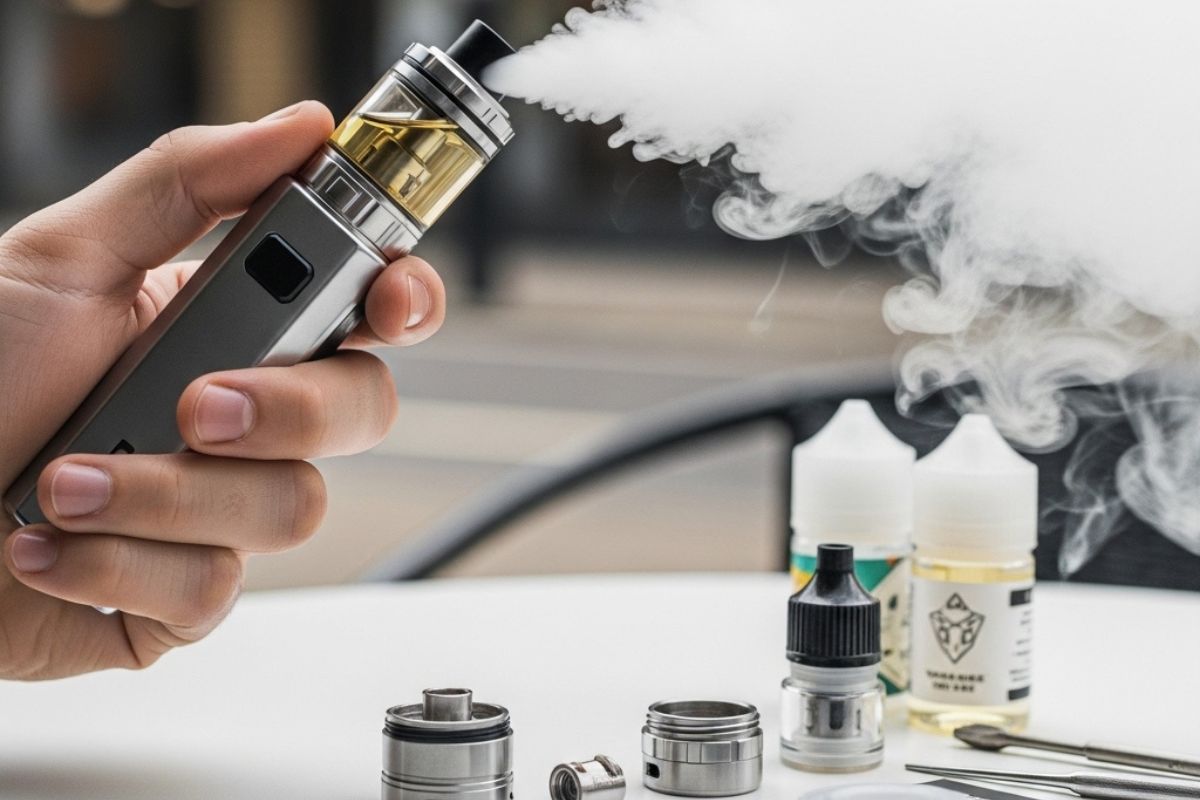
With modern VAPE KIT options, advanced Pod Kits, and nicotine-free alternatives now widely available in the UK, it’s natural to wonder what Islam says about them.
This guide is not about judgement. It is about clarity. Understanding what your faith teaches about balance, responsibility, and intention.
What Does “Haram” Really Mean?
In Islam, haram refers to something clearly forbidden because it causes harm, addiction, or weakens self-control.
Since vaping is not directly mentioned in the Qur’an or Hadith, scholars examine it by comparing it to similar actions that affect the body and mind.
That’s why opinions differ. Whether vaping is haram depends on:
- The ingredients used
- The level of harm involved
- Your intention
- Whether it leads to addiction
Islamic rulings often focus on outcomes and responsibility rather than just labels.
Is Vaping Haram or Just Makruh?
Many contemporary scholars consider vaping makruh (discouraged) rather than strictly haram — particularly when harm is minimal and no intoxicants are involved.
The reasoning is simple:
If something damages health or creates dependency, it should be avoided. If it reduces greater harm or is used with control, it may fall into a grey area rather than outright prohibition.
For example, some individuals use structured systems like Vape Starter Kits or controlled PODS & REFILLS as part of a gradual harm-reduction approach. The key issue remains moderation and awareness.
Health, Faith, and Responsibility
Islam teaches that the body is an amanah — a trust from Allah. Protecting it is an obligation.
Public health authorities in the UK confirm that vaping carries significantly fewer harmful substances than traditional smoking. While it is not risk-free, the reduction in toxic exposure is well documented.
From a faith perspective, the priority is to avoid clear harm and addiction. That is why many Muslims prefer regulated products such as:
- Lab-tested E-Liquids
- Balanced 50PG/50VG Liquids
- Controlled nicotine formats like Nicotine Salts
- Or even completely Nicotine-Free Liquid
The emphasis remains on safety, transparency, and moderation.
What Makes Vaping Permissible?
Scholars generally evaluate permissibility based on three main factors:
1. Ingredients
Products must not contain intoxicants or harmful substances. Clean formulations matter.
2. Addiction Risk
If usage becomes excessive or controlling, it moves closer to being sinful due to self-harm.
3. Intention
If someone uses vaping as a harm-reduction step or in controlled moderation, the ruling may differ from someone indulging recklessly.
Advanced hardware such as regulated Tanks or well-designed refill systems allows users more control over consumption levels, which supports mindful use rather than impulsive habits.
Different Views Within the Muslim Community
Across the UK, opinions vary. Some imams discourage vaping entirely due to its addictive potential. Others see it as a modern alternative that can reduce greater harm.
What most scholars agree on is this:
Your intention matters.
If you are mindful, avoid addiction, and choose safer, transparent products, many scholars lean toward viewing it as makruh rather than haram.
Islam encourages balance — not excess.
Faith and Modern Products
Today’s vaping market includes carefully regulated options such as refill systems, low-strength formats, and controlled nicotine alternatives. The availability of cleaner formulations has changed the conversation compared to earlier years.
That is why consumers who prioritise quality often choose trusted UK suppliers. Platforms like Vape Deal UK focus on compliant, lab-tested products that align with both safety standards and consumer transparency.
Responsible choices reduce both physical and spiritual risk.
Final Thoughts
So, is vaping haram?
There is no single one-word answer. It depends on:
- What you are using
- How often you are using it
- Why you started
If it causes harm, addiction, or recklessness, it leans toward being sinful. If it is used moderately, without intoxicants, and with clear intention, many scholars classify it as makruh rather than haram.
In simple terms: Islam promotes balance, not blind indulgence — and not unnecessary hardship either.
Make informed choices. Stay mindful. Protect your health and your faith together.
FAQs
Q1: Is vaping haram in Islam?
It depends on ingredients, intention, and moderation. Many scholars classify it as makruh rather than strictly haram.
Q2: Are nicotine-free options halal?
Yes. Products without intoxicants and harmful substances are generally considered permissible when used responsibly.
Q3: Does vaping break the fast?
Yes. Inhaling vapour invalidates the fast during Ramadan.
Q4: Is vaping less harmful than smoking?
Yes. UK research shows significantly fewer toxins compared to traditional cigarettes.
Q5: What is the most mindful approach?
Choose regulated, lab-tested products, monitor usage, and avoid dependency.