








Few things are more awkward than a smoke alarm going off mid-puff in your flat, office or hotel room. So, do vapes set off smoke alarms? Yes, they can. It isn’t heat or nicotine that does it. It’s the density of the vapour in still air. This guide explains how smoke alarms work, why vapour sometimes triggers them, which devices are most likely to, what to do if it happens and how to avoid it.
How smoke alarms detect smoke
Most smoke alarms in UK homes, offices and hotels are one of two types:
- Optical (photoelectric) alarms shine a light inside a chamber. When particles enter and scatter the light, the alarm sounds. These are the type most sensitive to vape clouds.
- Ionisation alarms react to very small particles from fast-burning fires. They are less likely to be triggered by vapour, but a dense cloud close by can still do it.
Heat alarms, often fitted in kitchens, react to temperature rather than particles, so vaping won’t set them off. Some buildings, especially hotels, use multi-sensor alarms that combine optical and heat detection.
The key point: smoke alarms don’t analyse what a cloud is made of. They only “see” particles in the air.
Vapour vs smoke: why alarms get confused
Vaping doesn’t produce smoke. When you vape, you exhale an aerosol made from heated e-liquid: mainly propylene glycol (PG), vegetable glycerine (VG), flavourings and, if used, nicotine. It isn’t “just water vapour”. It contains tiny droplets of glycerine and flavour, and those droplets scatter light inside an optical sensor exactly as smoke particles do. That’s why a thick cloud drifting into a detector can trigger it, even though nothing is burning.
Can vapes set off smoke alarms? What makes it more likely
1. Device power
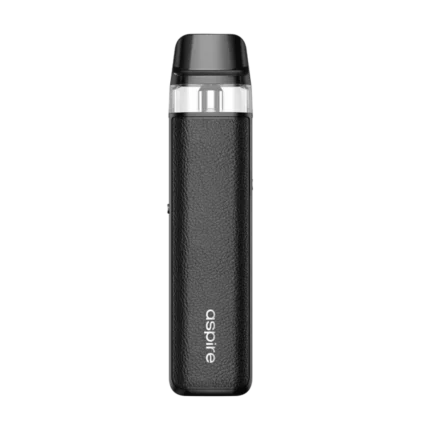
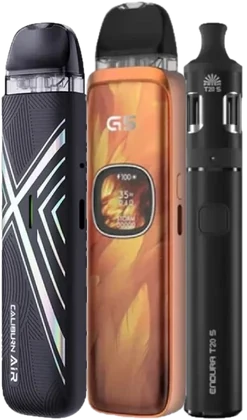
High-wattage devices and sub-ohm kits produce bigger, denser clouds. Low-power pod kits and prefilled pod systems make far smaller clouds that disperse quickly.
2. E-liquid type
High-VG liquids such as 70/30 shortfills create thick, lingering clouds. 50/50 liquids and nic salts, made for low-power devices, produce lighter vapour.
3. Ventilation
In a small, closed room the vapour has nowhere to go and builds up. In a ventilated room it disperses before it reaches the ceiling.
4. Distance from the alarm
Exhaling upwards or vaping directly under a detector is the most common cause of false alarms.
Do all vaping devices carry the same risk?
No. As a rough guide:
- Lowest risk: mouth-to-lung pod kits and prefilled pods with 50/50 or nic salt liquids
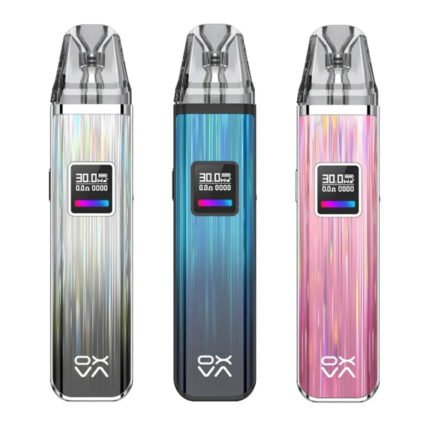
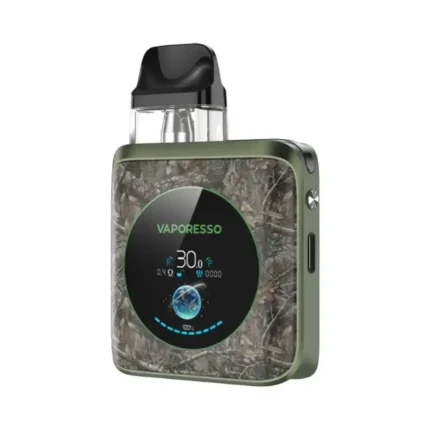
- Medium: refillable pod kits on higher settings
- Highest: sub-ohm tanks and box mods with high-VG liquids
No device can guarantee it will never trigger an alarm, but smaller pod systems are far less likely to.
What to do if your vape sets off a smoke alarm
- Stop vaping and open windows or doors to clear the air.
- Gently fan the air near the alarm, not into it, until it resets. Many alarms have a hush button.
- In a hotel, office or shared building, tell reception or building staff straight away. Some systems call the fire service or evacuate the building automatically.
- Never cover, disconnect or tamper with a smoke alarm. It is dangerous, it can breach your tenancy or hotel terms, and in many buildings it can lead to charges or fines.
Can hotels tell if you vape in the room?
Often, yes. Hotel detectors are sensitive and often linked to a central system, and lingering vapour or smell can be noticed by housekeeping. Most UK hotels are no-vaping indoors and may charge a cleaning or false-alarm fee. Always check the policy and use outdoor or designated areas.
How to vape indoors without setting off alarms
- Stay well away from detectors and exhale downwards or towards an open window.
- Use a lower-power device and avoid big, long draws.
- Choose 50/50 or nic salt e-liquids over high-VG shortfills.
- Keep the room ventilated, with a window open or an extractor fan on.
- Respect the rules. If a building is vape-free, step outside. Read more in our guide to vaping indoors in the UK.
Final thoughts
So, do vapes set off smoke alarms? They can, mainly optical alarms in small, poorly ventilated rooms when dense vapour drifts into the sensor. Lower-power pod kits, lighter e-liquids, good ventilation and keeping clear of detectors make it very unlikely. Above all, follow the building’s rules and never tamper with an alarm.
Frequently asked questions
Can vaping actually set off a smoke alarm?
Yes. Dense vapour can trigger optical (photoelectric) smoke alarms, especially in small or poorly ventilated rooms.
Why does vapour set off alarms if there’s no smoke?
Vapour contains tiny droplets of glycerine and flavour that scatter light inside the sensor, the same way smoke particles do.
Do high-power vapes cause more alarms?
Yes. Sub-ohm devices and high-VG liquids make bigger, denser clouds that are more likely to reach a detector.
Can all smoke alarms detect vapour?
Optical alarms are the most sensitive. Ionisation alarms are less sensitive, and heat alarms won’t react to vapour at all.
Can hotels tell if you vape in the room?
Often, yes. Sensitive detectors and lingering smell make it noticeable, and many hotels charge fees for vaping indoors.
Is there a vape that never sets off alarms?
No device can guarantee it, but low-power pod kits with 50/50 or nic salt liquids are the least likely to.