“Is vaping a sin?” It’s a question many people quietly think about but rarely discuss openly. For those who value their faith, health, and daily habits, the concern isn’t just religious — it’s personal. In a world filled with modern devices, flavoured blends, and evolving alternatives, it’s natural to pause and reflect.
This guide explores the topic from moral, cultural, and practical perspectives so you can make an informed decision that aligns with your beliefs and lifestyle.
Is Vaping a Sin or a Personal Responsibility?
The word sin carries different meanings depending on faith and interpretation. No major religious scripture directly mentions vaping. Because of that, most scholars and faith leaders focus on broader principles such as:
- Caring for your body
- Avoiding harm
- Practising moderation
- Maintaining self-control
Vaping itself is not inherently a moral act — it is a behaviour. What often matters more is intention. Are you using it as a transition away from smoking? Is it occasional and controlled? Or has it become excessive?
When approached mindfully, vaping is generally viewed as a personal choice rather than a moral wrongdoing.
The Ethical Perspective: Intention Over Habit
Ethics often centre on purpose and impact.
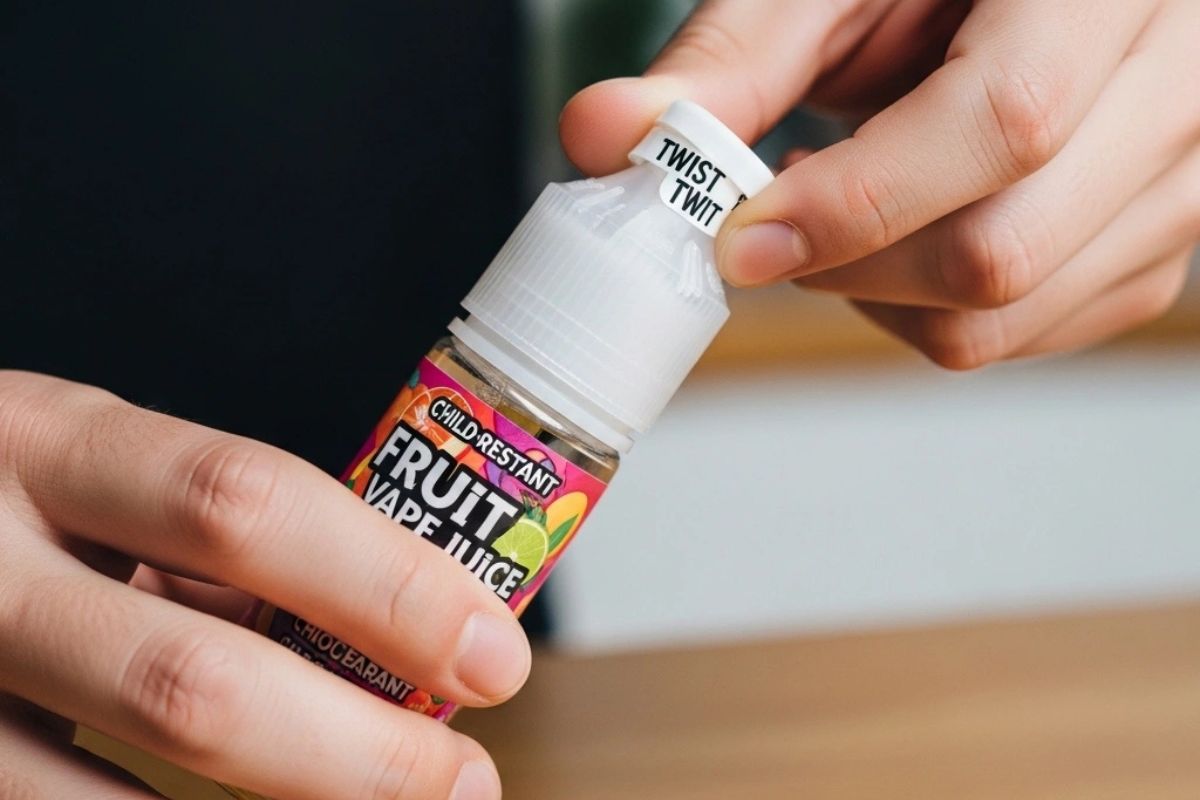
If vaping helps someone move away from more harmful habits, many see that as harm reduction. Modern regulated products, including carefully formulated E-Liquids, are designed with safety standards in mind within the UK market.
However, if any habit begins to dominate your health, finances, or self-discipline, reflection becomes important. Most moral frameworks encourage balance — not complete deprivation, but not dependency either.
The key question becomes:
Are you in control, or is the habit controlling you?
Health, Harm Reduction & Modern Vaping
Health discussions are central to the moral debate.
UK public health bodies have repeatedly stated that vaping is significantly less harmful than smoking. Unlike combustion-based products, regulated vaping systems heat liquid rather than burn material, which reduces exposure to many toxic compounds.
Today’s market offers structured options for different needs:
- A beginner might choose one of many Vape Starter Kits for simplicity and lower output.
- Those seeking smoother nicotine delivery often prefer blends using Nicotine Salts.
- Some users opt for Nicotine-Free Liquid to remove dependency entirely.
- Advanced users sometimes select Sub-Ohm Vapes for enhanced vapour production, though moderation remains essential.
The availability of varied formats allows users to tailor their approach responsibly rather than engage impulsively.
Cultural and Religious Views on Vaping
Different communities approach vaping differently.
Christianity
Many Christian perspectives focus on stewardship of the body. If vaping is used moderately or as a harm-reduction step, it is rarely labelled sinful outright. Excess and addiction, however, are discouraged.
Islam
Islamic scholars hold mixed views. Some discourage vaping due to potential health concerns. Others permit it if it replaces smoking and avoids clear harm. Intention and moderation are central to the discussion.
Secular Ethics
From a non-religious standpoint, the focus shifts to autonomy, public health, and social responsibility. As long as individuals respect others and make informed decisions, vaping is generally seen as a lifestyle choice rather than a moral issue.
Across belief systems, one theme repeats:
Self-control and awareness matter more than the act itself.
Responsible Vaping: What It Looks Like
If you choose to vape, responsibility makes all the difference.
That includes:
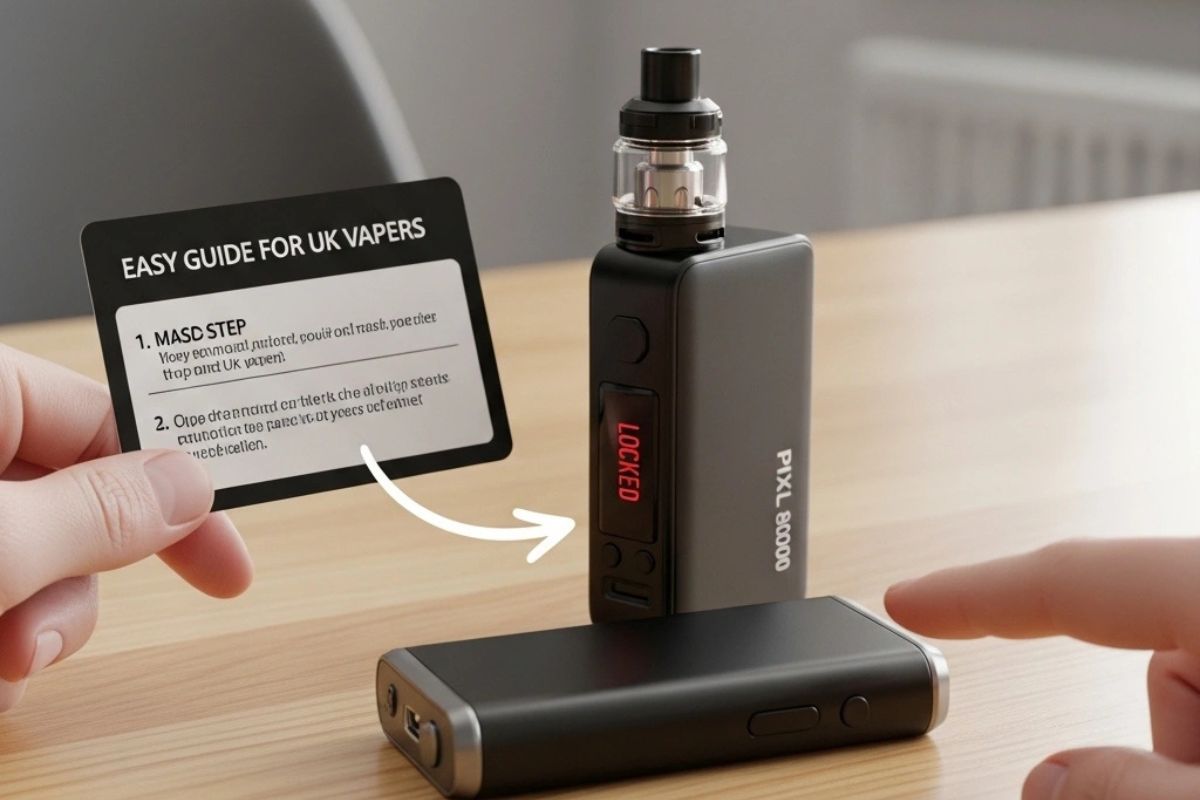
- Choosing quality devices, such as a reliable VAPE KIT
- Using properly regulated PODS & REFILLS
- Selecting balanced ratios like 50PG/50VG Liquids for smoother performance
- Understanding strength levels and adjusting gradually if reducing nicotine
Responsibility also means respecting shared spaces and being mindful of non-vapers. Ethical use isn’t about restriction — it’s about awareness.
Can Vaping Be Part of a Balanced Lifestyle?
For many UK adults, vaping fits into a broader lifestyle centred on moderation and choice. The availability of options — from structured starter systems to advanced custom setups — allows users to adapt their experience.
Some transition slowly by lowering nicotine levels. Others switch to nicotine-free options. The modern market even offers alternatives beyond inhalation for those reconsidering habits altogether.
At the end of the day, balance is personal.
If vaping:
- Helps you move away from something more harmful
- Remains occasional and controlled
- Does not interfere with health or responsibilities
It is generally viewed as a personal lifestyle decision rather than a moral failing.
A Thoughtful Approach to Vaping in the UK
For adults who choose to vape, sourcing regulated products from trusted retailers matters. Platforms like Vape Deal UK provide access to compliant devices and liquids that meet UK standards, helping users make informed and safer choices.Quality, compliance, and moderation go hand in hand.
Final Thoughts
For most people, the answer is not a simple yes or no.
Vaping is rarely defined as sinful in itself. What matters more is:
- Your intention
- Your level of self-control
- Your impact on health
- Your respect for others
Used mindfully and moderately, vaping is widely considered a personal choice rather than a moral violation.The real focus should not be guilt, but responsibility.
If you’re choosing to vape, choose knowledge, choose balance, and choose quality UK-regulated products.
FAQs
Q1: Do religions officially declare vaping a sin?
Most major religions do not specifically mention vaping. Opinions usually depend on principles of moderation and harm.
Q2: Is vaping morally wrong?
It depends on context and intention. Responsible, moderate use is generally seen as a personal decision.
Q3: Are nicotine-free options more acceptable?
Yes, many people feel more comfortable choosing nicotine-free alternatives to avoid dependency concerns.
Q4: How can someone vape responsibly?
By choosing regulated products, moderating usage, and staying aware of their health and habits.
Q5: Does intention matter in moral discussions about vaping?
Yes. Across cultures and belief systems, intention is often considered more important than the act itself.