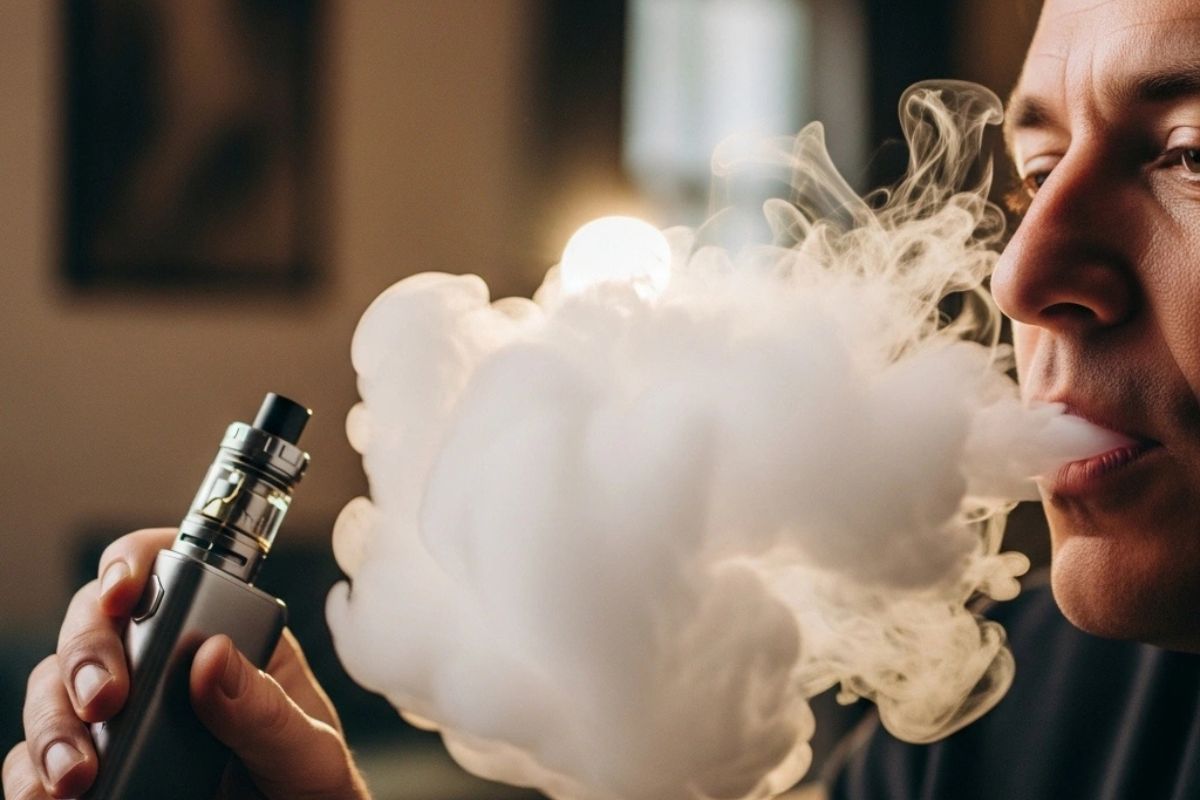
Vaping is often described as a cleaner, more modern alternative to smoking. There’s no ash, no lingering smell, and no smoke — just smooth vapour and flavour. Yet many people quietly notice something unexpected after they begin vaping: small breakouts that weren’t there before.
So the question naturally comes up — does vaping cause acne?
The answer isn’t completely black and white. Vaping doesn’t directly “cause” acne in the way bacteria or hormones do. However, certain ingredients and habits linked to vaping can influence your skin’s balance, hydration, and oil production. Let’s break down what really happens and how you can protect your skin without giving up your routine.
How Vaping Can Influence Your Skin
Every puff of vapour contains ingredients commonly found in E-Liquids, including nicotine, propylene glycol (PG), vegetable glycerin (VG), and flavourings. While these are significantly cleaner than cigarette smoke, they still interact with your body — and your skin reflects internal changes quickly.
Nicotine and Blood Flow
Nicotine is one of the biggest factors. It slightly constricts blood vessels, which reduces oxygen and nutrient delivery to the skin. When circulation slows:
- Skin renews itself more slowly
- Healing time for spots increases
- Inflammation can linger longer
This doesn’t automatically create acne, but it can make minor blemishes more stubborn.
Dehydration and Oil Imbalance
Propylene glycol (PG) has moisture-attracting properties. In simple terms, it can pull hydration from surrounding tissue — including your skin. When skin becomes dry or tight, your body may compensate by producing more oil.
Extra oil + slower skin renewal = clogged pores.
That combination is where breakouts can begin, particularly around the chin, cheeks, and jawline.
Device Type Matters
Different devices deliver vapour differently. For example, high-powered Sub-Ohm Vapes using thicker blends like High VG Liquids produce dense clouds. More vapour exposure around the lower face may increase dryness if hydration isn’t maintained.
On the other hand, compact Pod Kits designed for balanced nicotine delivery may feel smoother for some users. The key isn’t the device alone — it’s how your body responds to the ingredients and nicotine strength.
Recognising Vaping-Related Breakouts
If your skincare routine hasn’t changed but your complexion has, vaping could be one of several contributing factors. Vaping-related acne often occurs:
- Appears around the mouth and jaw
- Feels dry yet oily at the same time
- Is slow to heal
- Comes with mild redness or flakiness
Importantly, this isn’t about “dirty skin.” It’s usually dehydration and internal imbalance rather than surface hygiene.
The Nicotine Strength Factor
Higher nicotine concentrations — especially when using Nicotine Salts. Can intensify vascular tightening and oil stimulation for some individuals. If breakouts increase after switching strengths, your nicotine level may be too high for your body’s comfort.
Gradually lowering nicotine or choosing Nicotine-Free Liquid can improve circulation and skin recovery over time. Many people notice visible improvements within a few weeks after reducing intake.
The Hormone Connection
Nicotine can slightly influence cortisol and insulin responses. These hormonal shifts may increase sebum production in certain individuals.
This doesn’t mean everyone who vapes will experience acne. Skin type, diet, stress, and genetics all play roles. However, if you’re prone to hormonal breakouts, nicotine can amplify what’s already happening beneath the surface.
Reducing strength, adjusting frequency, and staying hydrated can significantly reduce this effect.
How to Protect Your Skin While Vaping
You don’t necessarily need to stop vaping completely. Instead, focus on smarter habits that support your skin’s balance.
1. Stay Hydrated
Drink water regularly throughout the day. Dehydration exaggerates oil production and slows skin healing.
2. Choose Balanced Formulations
Opt for well-crafted 50PG/50VG Liquids if dryness is an issue. Balanced ratios often provide smoother vapour while being gentler on hydration levels.
3. Keep Your Equipment Clean
Regularly change COILS and maintain clean TANKS. Old residue buildup can affect vapour quality and potentially increase irritation.
4. Cleanse Gently
Wash your face twice daily using a mild cleanser. Avoid harsh scrubs — over-cleansing can worsen oil imbalance.
5. Moisturise — Even If You’re Oily
Hydrated skin produces less compensatory oil. Lightweight, non-comedogenic moisturisers work best.
6. Monitor Nicotine Intake
If breakouts worsen, experiment with lowering strength or transitioning gradually. Even small reductions can improve skin clarity.
Does Quitting Help Acne?
For many people, yes. Circulation improves when nicotine is reduced or removed. Oxygen and nutrients reach the skin more efficiently, helping blemishes heal faster.
Most users who cut back report visible improvements within three to four weeks. Full skin balance may take a few months, depending on individual factors.
Final Thoughts
So, does vaping cause acne? Not directly — but it can create conditions that make breakouts more likely. Dehydration, nicotine’s effect on circulation, and oil imbalance are the main contributors.
The solution isn’t panic. It’s awareness.
Hydrate properly. Choose high-quality liquids. Maintain your device. Pay attention to nicotine strength. Small adjustments can make a significant difference.
For UK vapers looking for carefully selected products, Vape Deal UK offers a wide range of trusted options — from balanced e-liquids to advanced device setups — helping you tailor your experience with more control and confidence.
Healthy skin and vaping can coexist when you approach both thoughtfully.
FAQs
Q1: Can vaping alone cause severe acne?
Severe acne is usually linked to hormones, genetics, or diet. Vaping may contribute to mild breakouts, but it is rarely the sole cause.
Q2: Are nicotine-free options better for skin?
Yes. Removing nicotine improves circulation and reduces oil stimulation, which can support clearer skin.
Q3: Do thicker liquids make acne worse?
Not necessarily. However, higher vapour output combined with dehydration may affect sensitive skin if water intake is low.
Q4: How long before skin improves after reducing nicotine?
Most people notice improvement within three to four weeks, with gradual stabilisation over several months.
Q5: Can skincare alone fix vaping-related acne?
Skincare helps, but hydration, nicotine balance, and device maintenance are equally important.